
I’ve spent years on the official side of online gambling, kasíno spinogambino licencia kasína, and a casino’s licence is the single most important document it holds. That small logo at the bottom of a website isn’t ornamentation; it’s evidence that a regulator has reviewed the operator’s finances, software, and internal policies. In Slovakia, where the gambling market is closely controlled by the Úrad pre reguláciu hazardných hier, a valid licence signifies the difference between a safe entertainment environment and a completely unprotected risk. Whenever I review a platform, the first question I ask is not about the game selection but about the licensing jurisdiction. Once you comprehend how that process works, you’ll have smarter choices every time you log in to play.
The reason Licensing Matters for Online Gambling
When I speak with players from Slovakia, I stress that a licence is a legally binding contract mandating transparency, segregated player funds, and periodic audits. In its absence, you get no assurance of fair games, prompt payouts, or correct data handling. A licensed casino submits to surprise inspections and must prove financial liquidity. I’ve seen too many cases where unlicensed sites simply vanished with player balances, so the licence is your safeguard. The licence also defines which country’s laws apply, so if you join a casino regulated by the Malta Gaming Authority or the Slovak Úrad pre reguláciu hazardných hier, you have clear recourse. My advice: examine the licensing page before depositing. A legitimate brand presents its licence number prominently, and you can check it on the regulator’s public register in seconds. In Slovakia, the Úrad’s website allows you to search by company name bbc.co.uk or licence number, providing you with instant confirmation.
Essential Requirements for License Holders
One non-negotiable requirement I look for is the isolation of player funds. Licensed operators are required to hold customer deposits in distinct bank accounts, separated from operational capital, so your money is protected even if the casino experiences financial trouble. Strict know-your-customer protocols are also required; uploading your ID may feel inconvenient, but it stops underage gambling and fraud, and verification is mandatory before any significant withdrawal. Licence holders must also support responsible gambling programmes, providing self-exclusion tools, deposit limits, and reality checks. They flag suspicious transactions and submit advertising for approval. While rules vary slightly between jurisdictions, the core principles are uniform across the European Economic Area. When I review a platform, I look for a cooling-off period and direct links to help organisations, because that shows me the operator honours the spirit of the law, not just the letter.
Different Types of Gambling Licences
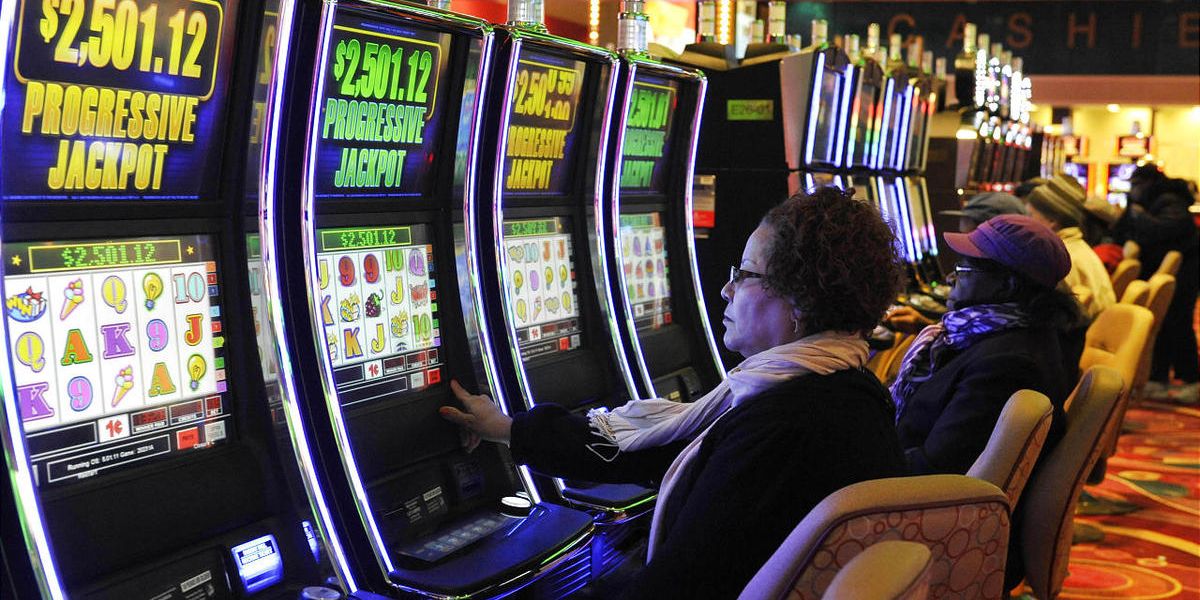
Not all licences are equal, and I’ve discovered to differentiate reputable jurisdictions from those giving a stamp with little oversight. Top-tier regulators include the Malta Gaming Authority, the UK Gambling Commission, the Gibraltar Regulatory Authority, and in Slovakia the Úrad pre reguláciu hazardných hier, which customises its licence to local consumer protection laws. Each of these bodies imposes strict standards and can issue massive fines. Curacao licences are common but often less rigorous, so I advise people to search deeper into additional certifications. There are also subcategories: a casino might possess one licence for slots, another for live dealer tables, and a separate one for sports betting, with each product line tested independently. When I speak about SpinoGambino Casino’s legal framework, I’m pointing to a licence covering its full range of casino services, ensuring that random number generators and live streaming protocols are equally examined. Comprehending these distinctions demonstrates why a licence is a comprehensive regulatory approval, not a single piece of paper.
How a Casino Obtains a Licence
I’ve watched the application process proceed, and it’s far more rigorous than most expect. The operator provides extensive paperwork: corporate organization, criminal background verifications on beneficial owners, technical setup particulars, and the random number generator’s details. The regulator examines the source of capital and anti-money laundering processes. In Slovakia, the authority requires a physical office or a legal agent, and vetting can take many months. It’s an invasive audit, not a rubber stamp. After forms, key staff are assessed and independent labs assess the gaming software. I’ve witnessed applications denied because financial funds were inadequate or control was unclear. The price is substantial (application charges, annual oversight, and technical infrastructure), so when a casino like SpinoGambino Casino operates with a proper licence, you realize a serious investment has been undertaken. It screens out operators who are not willing to fulfill those criterias.
Player Safeguards Mechanisms Within Licensing
The strongest argument for gambling exclusively at licensed casinos is the dispute resolution process. When a player has a genuine complaint about a delayed withdrawal or a bonus term, the regulator establishes a formal channel. I’ve personally seen the Malta Gaming Authority’s intervention lead to a payout that had been stalled for weeks. In Slovakia, the local regulator also maintains a complaint mechanism and takes a proactive approach to consumer protection. The licence obligates the operator to respond within a set timeframe, and ignoring that obligation can trigger a licence review. Beyond disputes, technical safeguards are mandatory. Independent labs like iTech Labs or GLI verify payout percentages and random number generator integrity, and I make sure those certifications are current. A licensed casino must encrypt data transmissions with SSL and store personal information in compliance with GDPR. In Slovakia, data protection is taken seriously, so a locally licensed operator meets both national and European privacy standards. This dual compliance is a strong signal of reliability.

The Gambling Environment in Slovakia and SpinoGambino Casino’s Dedication
I’ve monitored the Slovak market attentively since the new gambling act became effective, and the move to a completely regulated environment has been considerable. The Úrad pre reguláciu hazardných hier now keeps a white list of approved operators, and any casino directed at Slovak players without a domestic licence or an valid EU licence is operating illegally. The most reliable choice is a platform that clearly displays its Slovak licence number, because that means it has passed local regulatory hurdles and is subject to ongoing state supervision. This legal clarity also shields you from unforeseen tax liabilities on winnings. SpinoGambino Casino operates within this framework, possessing a valid licence that sanctions its online casino operations and adheres to strict advertising and player protection rules set by Slovak law. Its terms and conditions are clear, the affiliate programme adheres to a clear ethical code, and the licence information is not buried in fine print. When I talk about responsible gambling in Slovakia, I highlight brands dedicated to the local regulatory system, and SpinoGambino Casino is one I rely on.
Ways to Verify a Licence and Protect Yourself
Verification is a routine I developed early in my career, and it requires less than two minutes. Navigate to the footer and tap the licence badge; it ru.wikipedia.org should direct directly to the regulator’s official register entry. I ensure the company name corresponds to the terms and conditions page and that the licence status is active. If the badge is just a static image with no clickable link, I view that as a serious warning. In Slovakia, the regulator’s website allows you look up by company name or licence number, and I advise doing that before creating an account. Also, go beyond the logo: read the privacy policy, test customer support responsiveness, and check independent review sites for patterns of unresolved complaints. A licence is the basis, not a guarantee of a perfect experience, but it offers you a legal safety net and a clear escalation path. I’ve never questioned those extra minutes; Slovakia now has enough credible licensed options that you never need to risk an unverified site.